🌵 Expert Care Guide: Trichocereus (Columnar Cacti Group)
Trichocereus is a genus of fast-growing, columnar cacti native to Argentina, Bolivia, Chile, and Peru. Known for their impressive vertical growth, powerful root systems, and striking rib geometry, Trichocereus species are favorites among collectors who enjoy structure, size, and dramatic silhouette.
This expert-level guide focuses on precise environmental control, root development, growth management, and species-specific nuances to help you cultivate Trichocereus to its full potential.
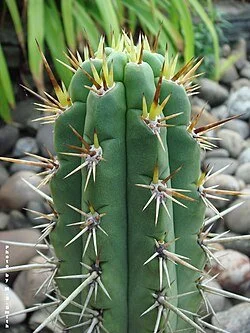
🌞 1. Light Requirements (High Intensity, Controlled Exposure)
Trichocereus thrive in strong sunlight, but they are exceptionally sensitive to sudden UV changes. Their skin tans easily, but can also scorch rapidly if light exposure is increased too quickly.
Optimal Light Conditions
Indoors:
Strongest possible window: South or Southwest
Grow lights: PPFD 350–600 for juveniles, 600–800 for adults
Distance from LED: 12–18 inches depending on intensity
Outdoors:
Full morning sun → filtered afternoon light
Once acclimated, many species tolerate full sun all day
Outdoor growers should rotate plants weekly to ensure even rib development
Signs of incorrect lighting
Too little: stretched growth, soft ribs, pale spines
Too much: golden bleaching, reddish stress tint, patchy burn spots
Slow, controlled acclimation is critical — especially for rescued plants or fresh cuttings.
🪴 2. Soil Composition (Mineral-Dominant for Fast Root Cycling)
Trichocereus produce large, aggressive root systems that need airflow + drainage to sustain fast growth.
Expert Soil Mix
50% pumice or coarse perlite
25% high-quality cactus soil
15% decomposed granite or coarse sand
10% orchid bark or pine fines (for structure + slight moisture retention)
Why this works
Trichocereus prefer:
oxygenated substrate
rapid drying cycles
minimal compaction
stable particle structure over time
Bark helps buffer water during peak growing season but doesn’t clog roots.
💧 3. Watering Strategy (Rhythmic, Seasonal, Deep Soaks)
Trichocereus are thirsty growers during warm seasons and nearly dormant in cool seasons.
Growing Season (Spring–Early Fall)
Water every 7–10 days outdoors
Every 10–14 days indoors
Always water deeply until the soil is fully saturated
Allow the mix to dry completely before watering again
Dormancy (Late Fall–Winter)
Water every 4–6 weeks OR not at all if temps are cool
Keep cold + wet conditions strictly separated
Collector Tip:
Healthy Trichocereus are firm, heavy, and rigid.
If ribs soften or lean, hydration or root health needs attention.
🌡️ 4. Temperature & Climate Requirements
Ideal Ranges
Growth season: 75–95°F (24–35°C)
Night temps: 50–65°F (10–18°C)
Winter rest: 40–50°F (4–10°C), completely dry
Tolerates light frost ONLY when bone dry
Too much cold with moisture = root system collapse.
🌱 5. Root Behavior & Repotting Strategy
Trichocereus roots expand quickly and aggressively.
Potting should serve the plant, not restrict it.
Repotting Frequency
Every 1–2 years for juveniles
Every 3 years for established plants
Pot Size Rule
Choose a pot 1–2 inches wider than the existing root mass.
Avoid oversized pots — they trap moisture.
Best Pots
Terracotta (best airflow)
Unglazed clay
Heavy ceramic for stability as columns grow tall
Plastic is acceptable if airflow is excellent, but requires stricter watering discipline.
🌸 6. Flowering Behavior (Notoriously Impressive)
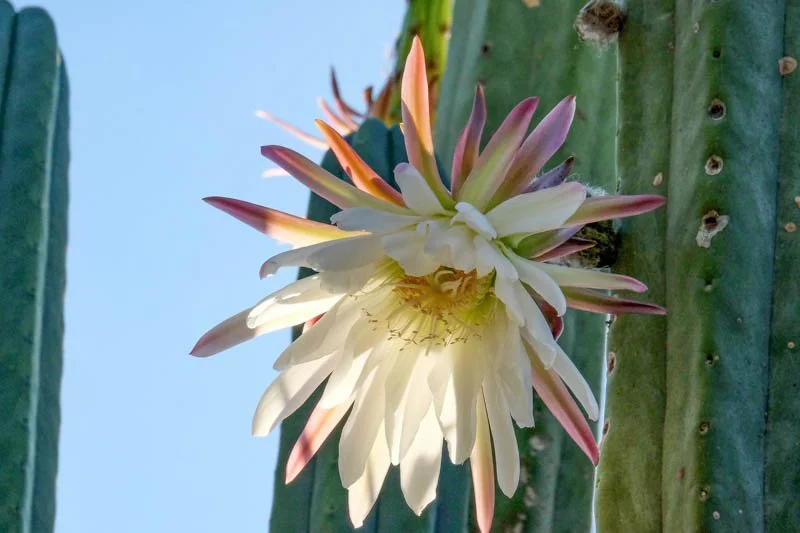
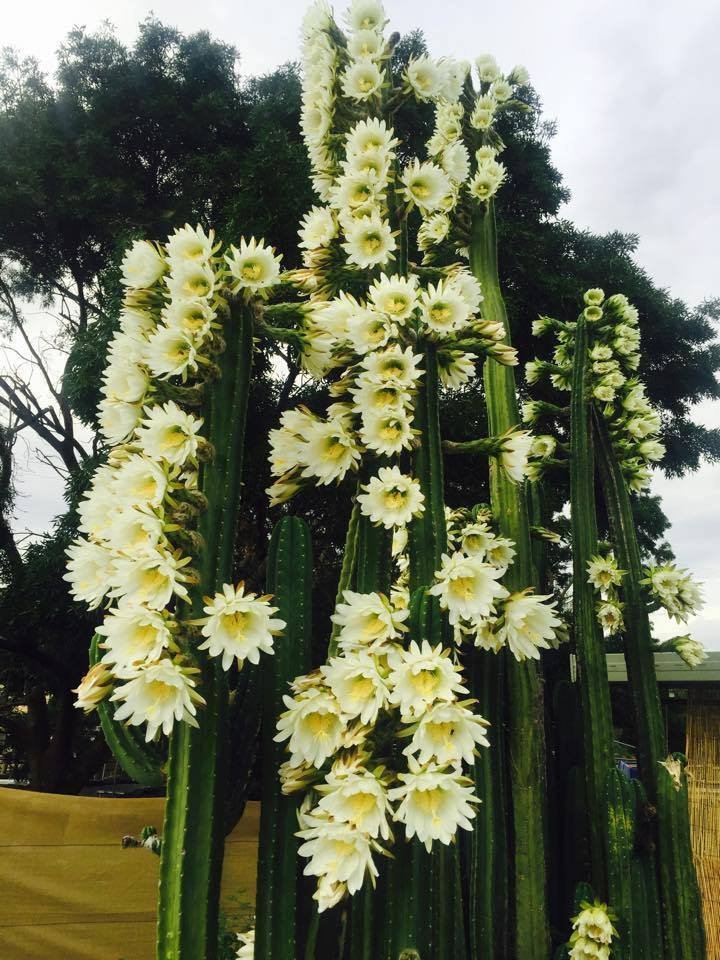
Trichocereus are known for large, fragrant, night-blooming flowers in white, pink, or yellow.
Flowering Requirements
Full sun
Mature age (5–10+ years depending on species)
Strong root mass
Nutrient-rich soil (low nitrogen, balanced potassium)
Cool winter dormancy
Flowers often appear overnight and open dramatically at dawn.
✂️ 7. Propagation Techniques (Expert-Level)
Stem Cuttings (Primary Method)
Trichocereus cuttings root easily with proper technique.
Advanced Steps:
Use a sharp, sterilized blade
Make a straight, smooth cut
Callus for 10–21 days depending on thickness
Root in bright shade, not full sun
Use a mineral substrate only for the rooting phase
Seed Propagation
Germination is generally high with fresh seed.
Optimal conditions:
75–85°F (24–29°C)
Fine mineral substrate
Humidity dome for first 2–4 weeks
Strong airflow once sprouted
Grafting
Rarely needed, but used for:
variegated forms
weak seedlings
genetic preservation
🛡 8. Stress Signals & Interpretation
Overwatering
Base discoloration
Soft ribs
Leaning column
Must unpot and inspect roots immediately
Underwatering
Ribs narrow, plant feels lighter
Slow growth during warm season
Sun Stress
Yellowing or golden patches
Turn plant slightly weekly to prevent one-sided burn
Etiolation
Elongated spacing between areoles
Increase light intensity 15–20% over two weeks
🧪 9. Fertilization (Fueling Vertical Growth)
Growing Season
Apply ¼-strength fertilizer every 2–3 waterings
Ideal formulas: 5-10-10, 2-7-7, or cactus-specific blends
Flush soil with clean water every 4–6 weeks to avoid salt buildup
Dormancy
No fertilizer
Keep dry and cool
🧭 10. Yearly Care Calendar (Expert Schedule)
Spring
Increase watering
Resume fertilizing
Increase sun intensity slowly
Summer
Peak growth
Maintain strong airflow
Protect from extreme midday heat
Fall
Reduce watering
Stop fertilizing
Prepare for dormancy
Winter
Keep dry
Provide bright, indirect light
Maintain cool temperatures for flower initiation