🌵 How to Choose the Right Pot for Your Cactus
Picking a pot isn’t just about how it looks — it directly impacts how your cactus grows, how quickly the soil dries, and how resistant your plant is to rot.
The right pot creates a healthy root environment. The wrong one can quietly lead to overwatering, suffocation, and eventual decline.
If you understand how pots affect moisture, airflow, and root structure, you can avoid almost every common beginner mistake.
🪴 Drainage Is Non-Negotiable
If a pot doesn’t have a drainage hole, it’s not suitable for cactus care — no matter how good it looks.
Why drainage matters:
Prevents water from pooling at the bottom
Allows oxygen to reach the roots
Reduces the risk of root rot
Helps soil dry within a healthy 3–7 day window
Simple rule:
Always choose a pot with a drainage hole.
If you want to use a decorative pot without drainage, place a plastic nursery pot inside and remove it when watering.
🟤 Terracotta vs. Ceramic vs. Plastic Pots
The material of your pot directly affects how fast your soil dries — which is critical for cactus health.
Terracotta (Best for Most Growers)
Terracotta is porous, meaning it absorbs moisture and allows it to evaporate through the pot walls.
Benefits:
Fast drying
Helps prevent overwatering
Encourages strong root development
Ideal for humid environments
Best for: beginners, indoor growers, and anyone prone to overwatering.
Ceramic (Glazed Pots)
Glazed ceramic does not breathe like terracotta, so it holds moisture longer.
Benefits:
Visually appealing
Heavier and more stable (great for taller cacti)
Slower drying in hot climates
Watch out:
Soil stays wet longer than expected — adjust your watering accordingly.
Plastic Pots
Plastic retains moisture the longest but is widely used due to cost and convenience.
Benefits:
Lightweight and affordable
Easy for large collections
Less root disturbance when repotting
Watch out:
High risk of overwatering if paired with dense soil.
Best used with: a gritty, fast-draining soil mix.
📏 Pot Size: Bigger Is Not Better
One of the most common mistakes is choosing a pot that’s too large.
Why oversized pots are dangerous:
Extra soil holds excess moisture
Roots absorb water slowly while soil stays wet
Leads to oxygen deprivation
Increases risk of root rot
Slows growth significantly
The rule:
Choose a pot that is only 1–2 inches wider than your cactus.
This keeps the root zone tight, warm, and well-aerated — exactly what desert plants prefer.
🌬️ Pot Depth: Matching the Root System
Depth is just as important as width.
Shallow to Medium Pots
Best for:
Mammillaria
Rebutia
Parodia
These species have shallow root systems and prefer faster drying.
Deeper Pots
Best for:
Columnar cacti (Cereus, Trichocereus)
Taproot species (Ferocactus, Echinocactus, Ariocarpus)
These plants need space for vertical root growth and stability.
🧩 How Pot Shape Affects Growth
The shape of your pot creates a microclimate for your cactus roots.
Understanding pot influence:
Terracotta + shallow pot → fastest drying, strong root aeration
Deep pot → retains moisture longer at the base
Wide bowl → dries quickly, great for clustering cacti
Tall narrow pot → stable but holds moisture deeper down
Once you understand this, you can begin to control growth behavior through pot selection.
🎨 The Aesthetic Side of Pot Selection
Beyond function, the pot is part of the display.
A well-chosen pot should:
Complement the cactus shape
Highlight color and texture
Create visual balance
Match your collection’s overall style
For example, terracotta offers a classic desert look that pairs naturally with most cacti, while darker or modern pots can create contrast and highlight form.
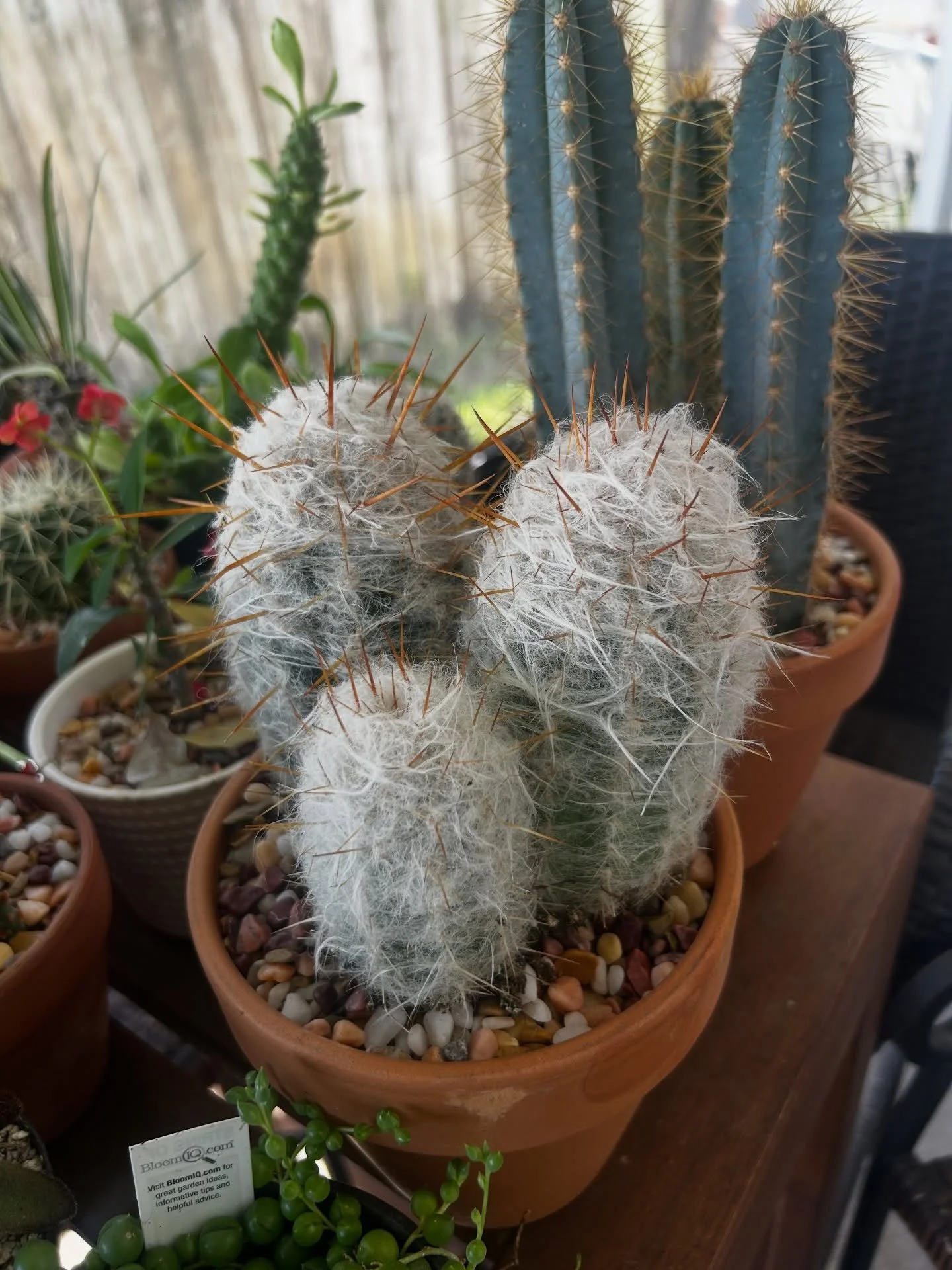
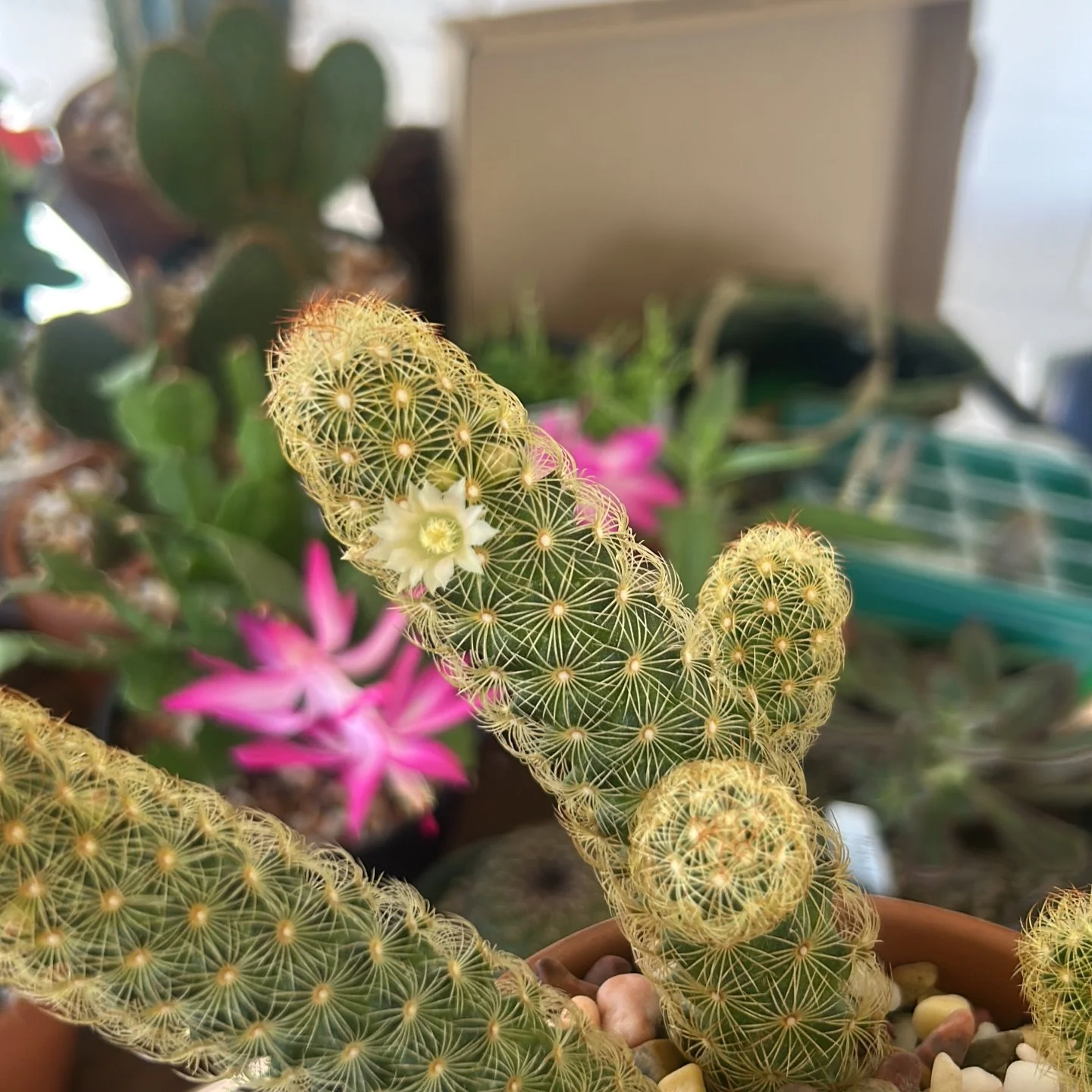
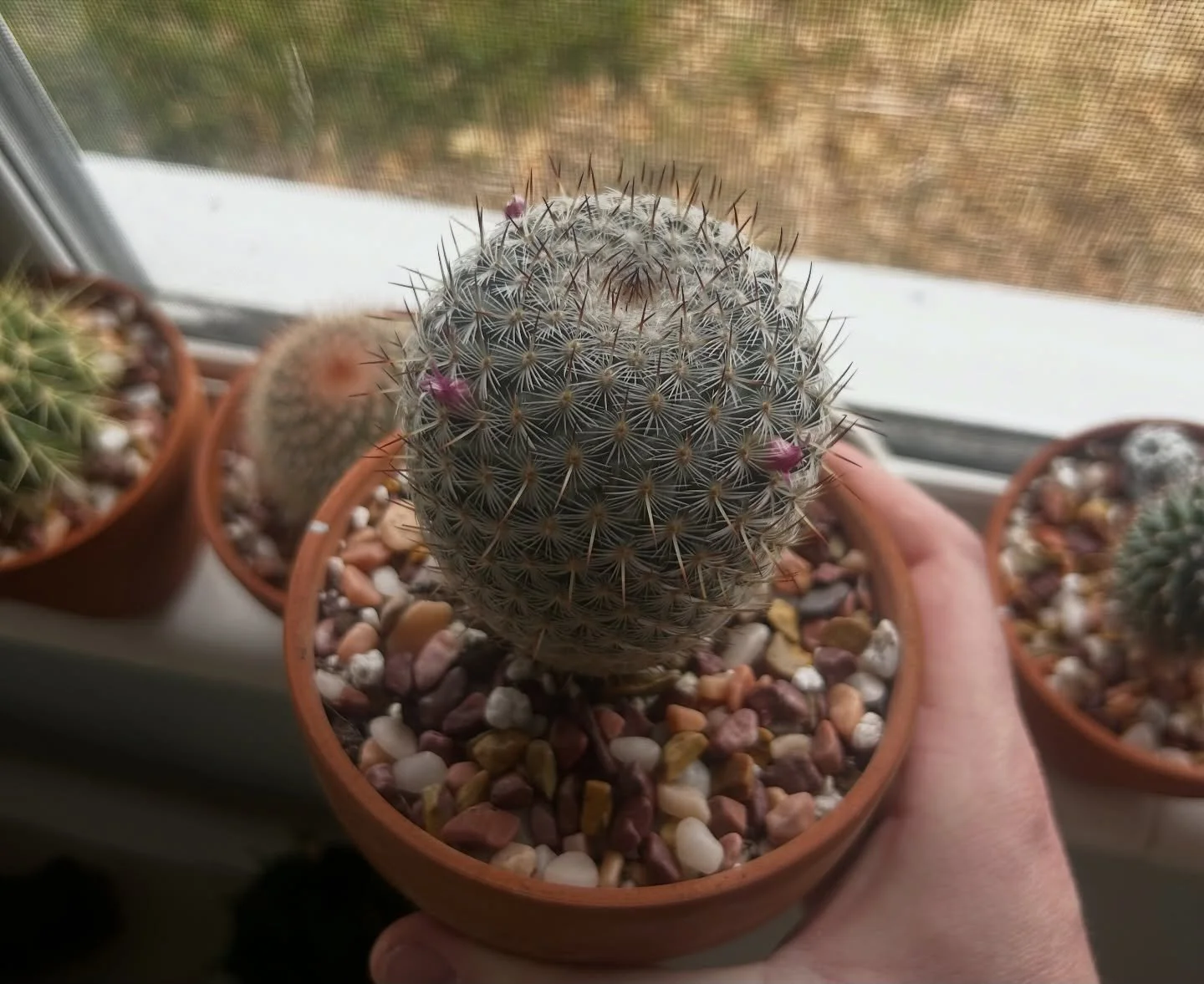
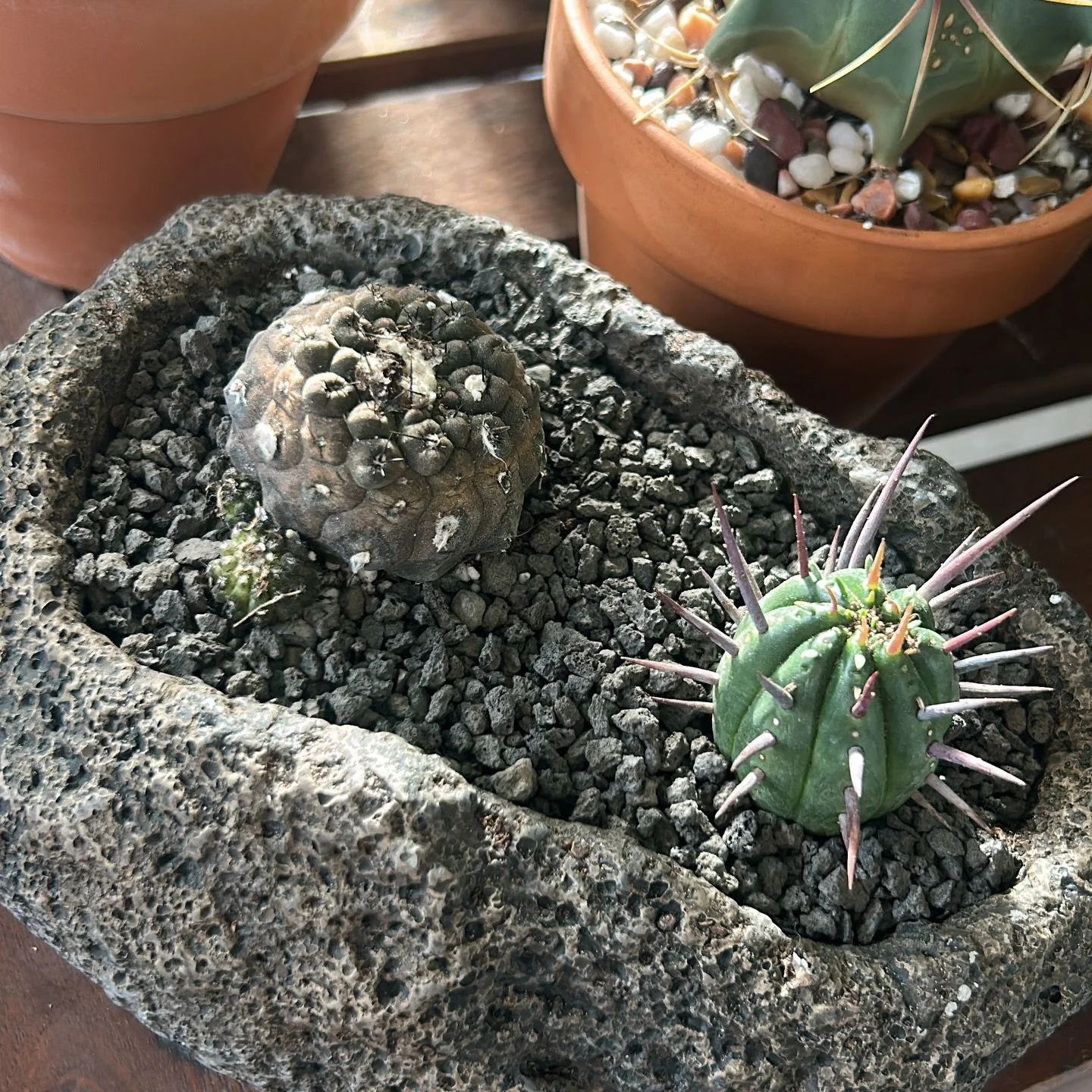
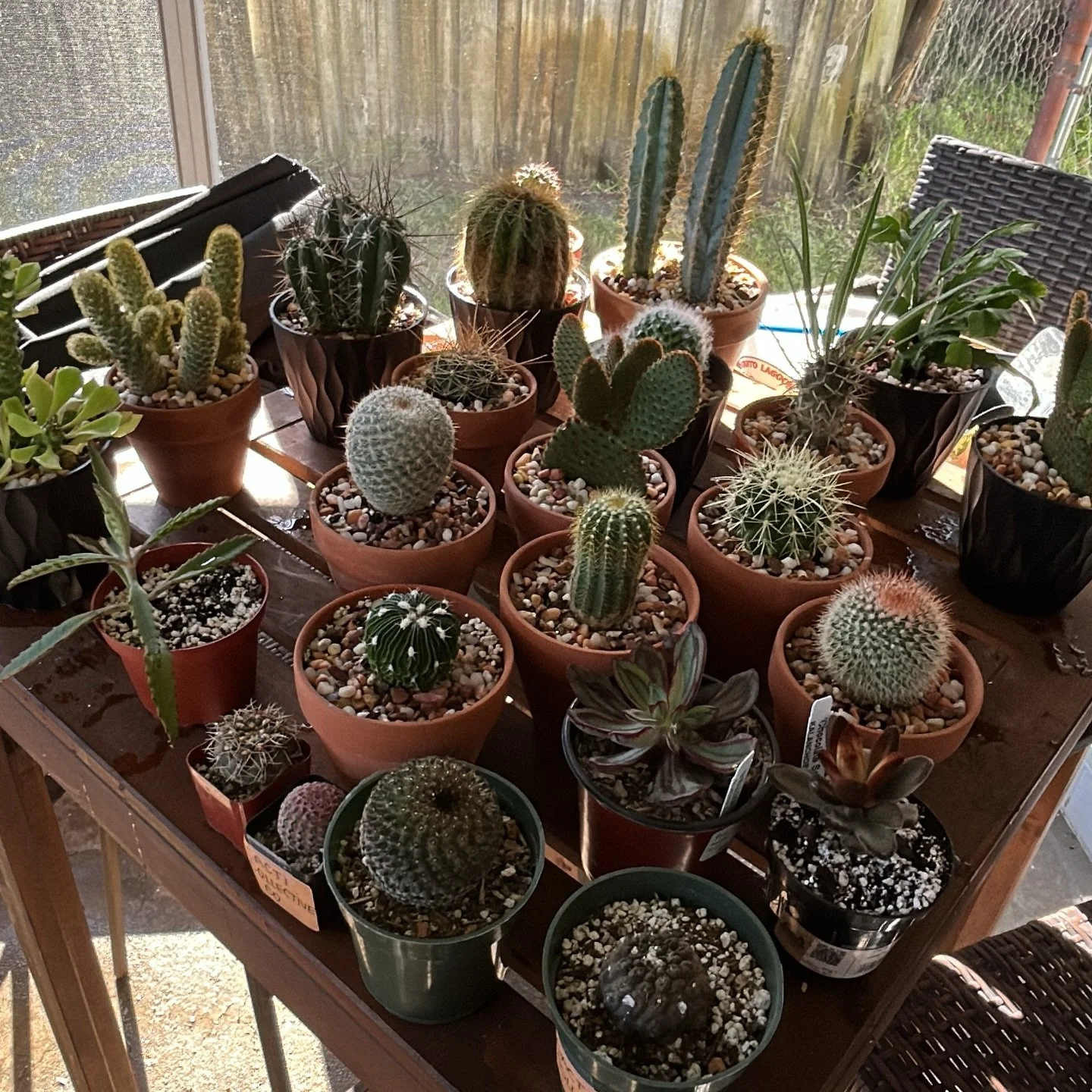
🌵 A Look at My Collection
One thing you’ll notice as you build your collection is that no single pot type works for everything.
Some plants thrive in terracotta because of the airflow and faster drying, while others do well in plastic when paired with a gritty mix.
Personally, I love the classic look of terracotta — the natural tones contrast beautifully with the greens and textures of the cactus. But I still use plastic pots where they make sense for growth and control.
🌱 Final Thoughts
Choosing the right pot is one of the most important — and most overlooked — parts of cactus care.
If you get this right, you’ll:
reduce the risk of rot
improve root health
simplify your watering routine
create a stronger, more resilient plant
Start with drainage, match your material to your environment, and keep your pot size tight.
Your cactus will do the rest.